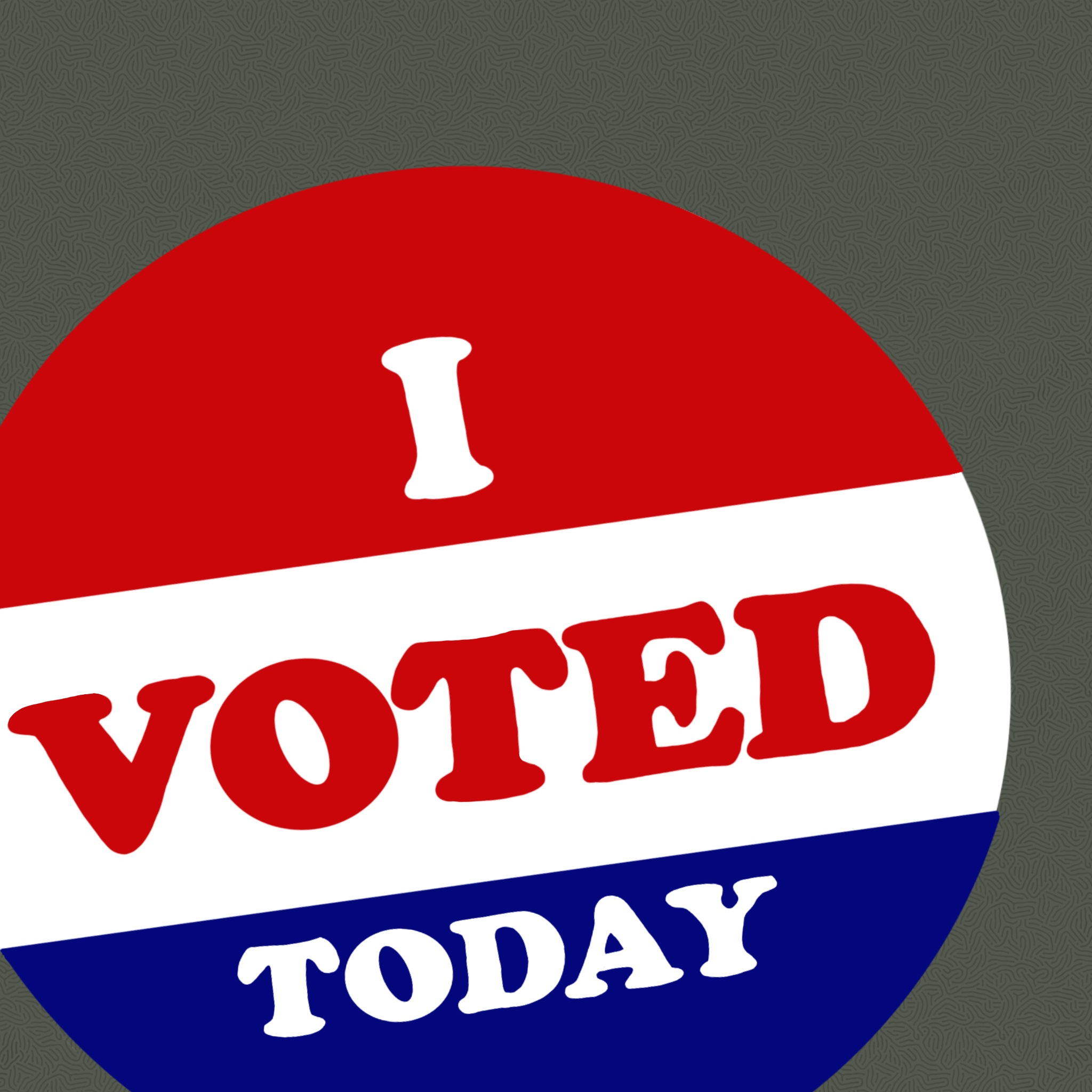
Maddie McGuire can’t wait to mail in her first-ever midterm ballot. But first, she wants to know more about who’s on it.
She is not alone. The Nov. 3 midterm elections will decide control of the U.S. House and Senate as well as other races around the country. For Northwestern students who plan to vote, casting a ballot is easy, but choosing who to vote for is harder.
McGuire, a first-year from Wilmette, said she follows national and local politics because “it affects every part of my life.” She said her knowledge gap is in statewide races, where she knows less about Illinois’ candidates.
“I definitely need to do a little more research before I cast my vote,” she said.
Sarah Skey, a second-year from Evanston, said she also wants more guidance. She is registered in Evanston but said she isn’t informed about the candidates. There are registration tables in Norris University Center focused on registering students to vote, but she said they can feel like a “trap” when students are just trying to eat lunch. Instead, she said pamphlets on where each candidate stands would be “really helpful.”
If she wants to see change, Skey said, “it’s my responsibility to make sure I’m voting for somebody who’s going to make that happen.”
The tables are run by NU Votes, which also offers an online midterm election guide and a student ambassador program. Mia El-Yafi, a senior and a student leader of NU Votes’ ambassador program, said the tables help students check their registration, request mail-in ballots and research candidates. About 40 student ambassadors help students make voting plans. That peer approach reflects El-Yafi’s belief that “the best way to get young people out to vote is if it’s coming from another young person’s perspective.
Even with that help, sorting through a midterm ballot takes effort, said Henry Fleck, a senior and president of Bridge Northwestern, a group that hosts discussions among students who disagree about politics. He said in 2024, everyone knew the presidential candidates. Midterms ask more of voters, who must track many races.
His advice? “Go beyond the headlines, go beyond the sound bites.” That means reading an opponent’s website, he said, not just your preferred candidate’s.
For some students, the obstacle comes before the research. First-year Emily Paschall has not registered this year.
“I’d really like to vote in the future but it’s been difficult to manage adjusting to classes and living in a new city, so I haven’t gotten around to registering for this year,” Paschall said.
But El-Yafi said time constraints don’t have to keep students like Paschall from voting this year. Illinois voters, including Northwestern students who are U.S. citizens, can register and vote on the same day at a polling place.
Voting can also feel close to home, El-Yafi said. The first time she voted, in her hometown of Houston, she backed a ballot measure on bike paths. She described it as “such a direct way of how your vote can impact your day-to-day life.”
Evanston voters will get a local race of their own next spring. Daniel Biss, the Democratic nominee for the open 9th Congressional District seat, resigned as mayor Oct. 18, setting up a special election. Six candidates have announced bids: City Clerk Stephanie Mendoza, former Ald. Jane Grover, former Ald. Ann Rainey, Jeff Boarini, Gilo Logan and Elliot Oats. The primary is Feb. 23 and the general election is April 6.
McGuire said students shouldn’t count themselves out in April or in November. “Even if you think you’re one person among billions,” she said, “you’re still a person, and it counts.”