There are elections that determine who governs a country, and there are elections that force a country to confront who it is. Israel’s next election may be both.
Since the Hamas-led Oct. 7, 2023 attack, Israel has been transformed by war, grief, political upheaval and a growing debate over its future. Oct. 7, 2023, the deadliest day in Israel’s history, exposed devastating failures in Israel’s security and defense apparatus. The wars, namely the American-Israeli war with Iran and the Hezbollah-Israel war that followed, reshaped Israel’s relationships and power dynamics with countries both in and out of the Middle East. Israel’s takedown of Hezbollah’s infrastructure in southern Lebanon, together with the United States’ assassination of Iranian Supreme Leader Ali Khamenei, showed how far its military can reach alongside American firepower.
In the country, questions about accountability, leadership, democratic institutions and national security have become inseparable from the daily lives of most Israelis.
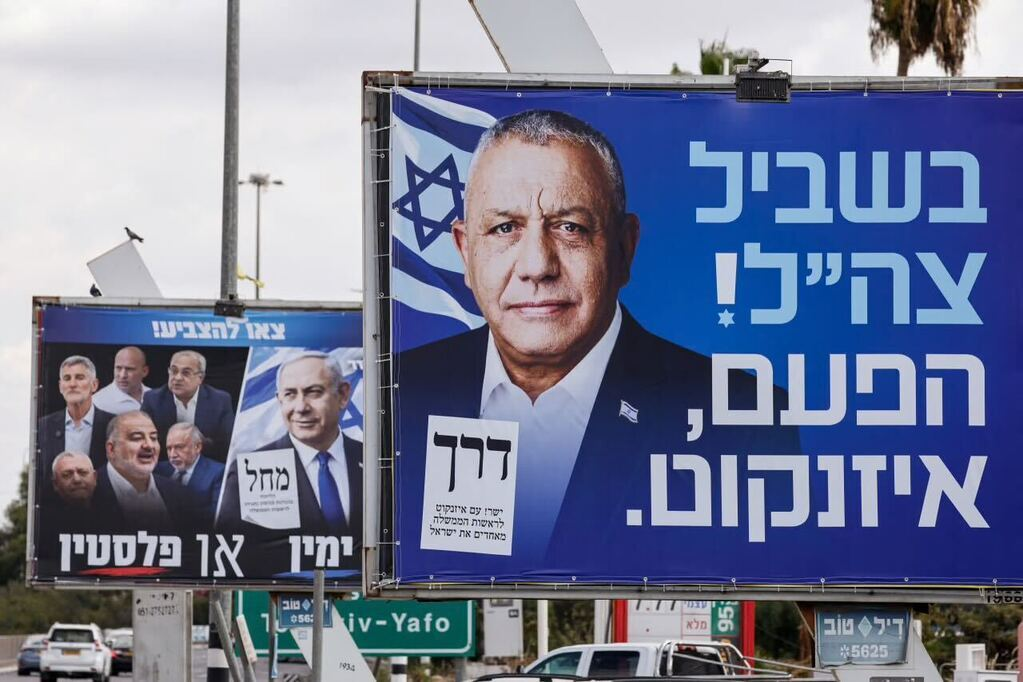
The main opposition to Netanyahu, and his Likud party, is led by former IDF Chief of Staff Gadi Eisenkot, who leads the centrist party Yashar. Eisenkot is the father of fallen soldier Master Sergeant Gal Meir Eisenkot who was killed in action in Gaza in 2023. His party is running on a ten-pillar platform which includes an independent inquiry into the Oct. 7, 2023 attacks, ending military exemptions for ultra-Orthodox Israelis and judicial protections.
Now, Israeli voters face a decision that extends far beyond the political fortunes of any one prime minister or party. They must decide what they expect from their government, what lessons they believe the country must learn, and what kind of Israel they want to build in the years ahead.
Israeli elections employ a multiparty parliamentary electoral system where voters pick a political party to gain seats in the country’s 120-seat unicameral Knesset. The 61-or-more member majority, almost always a coalition of multiple parties, controls the government and premiership. Israeli voters have the opportunity to vote for parties that align with their ideals, not personality politics.
I have been struck by how seriously people around me are taking that responsibility. I know of many people flying back to Israel with the specific purpose of voting, whether that be parents of friends or actress Gal Gadot. The American-Israel Democracy (AID) coalition estimates that as many as 67,000 Israeli citizens are returning to Israel, basing their number on surveys of expatriates and flight data.
There is something extraordinary about that commitment. At a time when political cynicism is universal, these people are making clear that the future of their country is worth the effort of getting on a plane, reaffirming the commitment to democratic institutions. Voting is not simply an obligation to be fulfilled when convenient but something that is baked into the national ideals of Israel.
One of the central questions at the forefront of this election is accountability. Israelis must contend with how the country’s leadership and security establishment failed to prevent the October 7 attacks, and what responsibility those failures demand. Reports indicate that Netanyahu received multiple warnings of a major attack from Hamas days before Oct. 7, 2023. That conversation is not merely about assigning blame for the past. It is about establishing what competent leadership, public trust and national security should look like in the future.
There are no simple answers to these questions, and Israelis will not all agree on what the answers should be. Nor should they. A democracy is not defined by the absence of disagreement, but by the ability of its citizens to argue over their future and participate meaningfully in deciding it.
The election will also force difficult conversations about Israel’s place in the region, its relationship with the United States, the future of Israeli-Palestinian relations and the long-term consequences of the wars it has fought. These issues are deeply interconnected.
For many Israelis, these debates are not abstract exercises in political theory. They are personal. They concern family members serving in the military, loved ones who have been displaced, communities that have endured attacks, hostages and their families and the question of whether it is possible to imagine a more secure future.
Ultimately, their decision to travel home to Israel reflects a belief that the future is not something to watch passively from a distance but instead is something that we all have a stake in.
It would be premature to declare this the most important election in Israeli history. The significance of the current election will depend not only on the result, but on the choices made by the government that emerges from it.
The people I know who are flying home to vote understand that the stakes extend beyond any single candidate or party. They are returning because they believe their participation matters. And in a country whose future has become the subject of such intense debate, that belief is itself a reminder of what an election is supposed to represent.
With the midterm elections just days away, I think we have a lesson to learn from the Israeli expats returning home. Voting is not just a privilege, but part of our civic responsibility as both Americans and participants in a democratic institution.